
How To Print On Seed Paper
Printing on seed paper the wrong way can damage your plantable paper and your printer. At UK Seed Paper, we’re specialists in seed paper printing. We’ve created a helpful guide for printing on seed paper at home, complete with expert tips from our team.
Plantable paper printing instructions
Whether creating DIY plantable wedding invites or some seed paper business cards for your business, getting the printing right is essential.
We recommend using an inkjet printer with a top-loading gravity-fed system. This helps feed your plantable paper through the printer without damaging it. The goal here is to minimise the pressure on the paper.
By using an inkjet printer, you are also removing any heat that could damage the seeds within your paper.
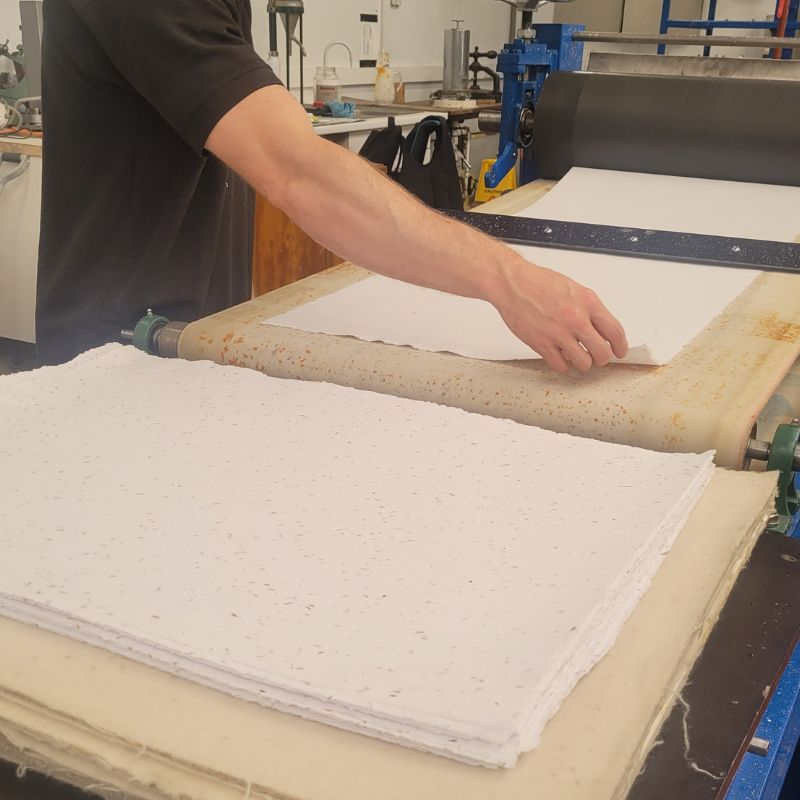
Want to get started? You can find our printable seed paper sheets here. They’re handmade in one of the country’s oldest paper mills and jam-packed full of UK-native wildflower seeds.
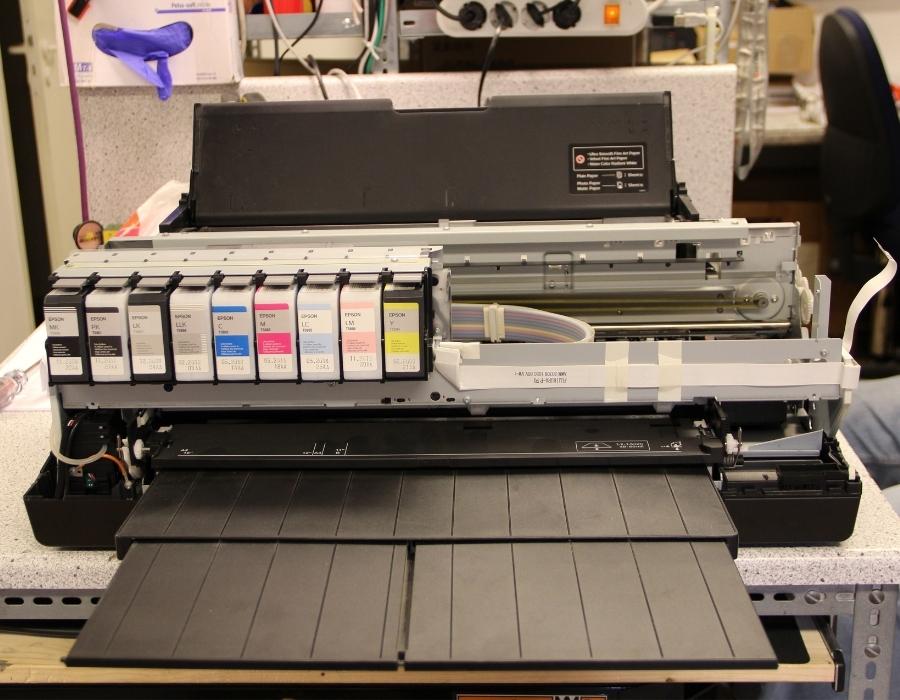
Remove any dislodged seeds
Shake all your seed paper sheets to remove debris and partially embedded seeds that can damage your printer’s internal workings.
If your paper doesn’t feed into the tray try applying a small amount of pressure to the top edge of the sheet.
Other ways to print seed paper
If you don’t have access to an inkjet printer the following methods are still suitable and won’t damage any of the seeds embedded within the paper.
– Offset printing
– Using a screen printer
– Letterpress
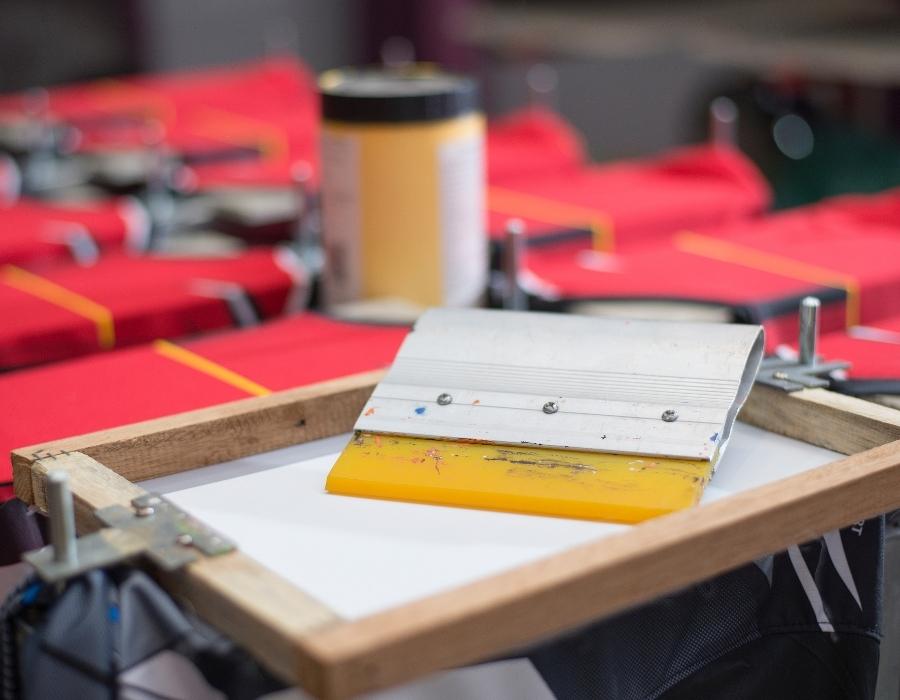

Things to consider when printing on plantable paper
Keep your design minimal: Seed paper’s natural texture gets lost when it’s covered in ink. Leave plenty of blank space and let this unique paper shine.
Avoid small text and intricate fonts: Imperfections in the paper can make small text hard to read. Avoid tiny text and thin fonts.
Use water based ink: Lots of printer ink is jam packed full of chemicals so aim for water based inks for healthier flowers and soil.
Some Tips From The Print Team
We asked the team for any tips they could add to help you get the best possible results when printing on seed paper. Here’s the lowdown.
Some Tips from Our Designer
Need Some Help Printing On Seed Paper?
Use our form below to contact us. One of the team will respond as soon as possible.
Ready to start printing?
Browse our handmade UK wildflower seed paper sheets — available in A4, A5, A6 and A7.